There are several reasons why many people prefer older architecture to modern designs:
Historical Significance: Older buildings often carry a sense of history and cultural significance. They tell stories of the past and reflect the societal values, materials, and craftsmanship of their time.
Aesthetic Appeal: Many find the intricate details, ornate carvings, and unique styles of older architecture more visually appealing than the often minimalist and utilitarian nature of modern designs.
Craftsmanship: Older buildings often showcase exceptional craftsmanship and materials, which can be scarce in modern construction. Handcrafted details and durable materials can evoke a sense of quality and longevity.
Character and Charm: Older architecture often possesses a character and charm that modern buildings may lack. The uniqueness of each structure, with its quirks and imperfections, can be more inviting and warm.
Connection to the Past: Many people feel a sense of connection to their roots when they see or inhabit older buildings, which can evoke feelings of nostalgia and comfort.
Sustainability: Some argue that older buildings, often constructed with more durable materials and traditional methods, can be more sustainable in the long run compared to modern constructions that rely heavily on industrial materials.
Community Identity: Older architecture can play a key role in defining the identity of a community. Preserving these structures helps maintain a sense of place and continuity in a rapidly changing world.
Ultimately, preferences for older architecture often stem from a combination of emotional, aesthetic, and cultural factors, making it a cherished aspect of many people’s lives.
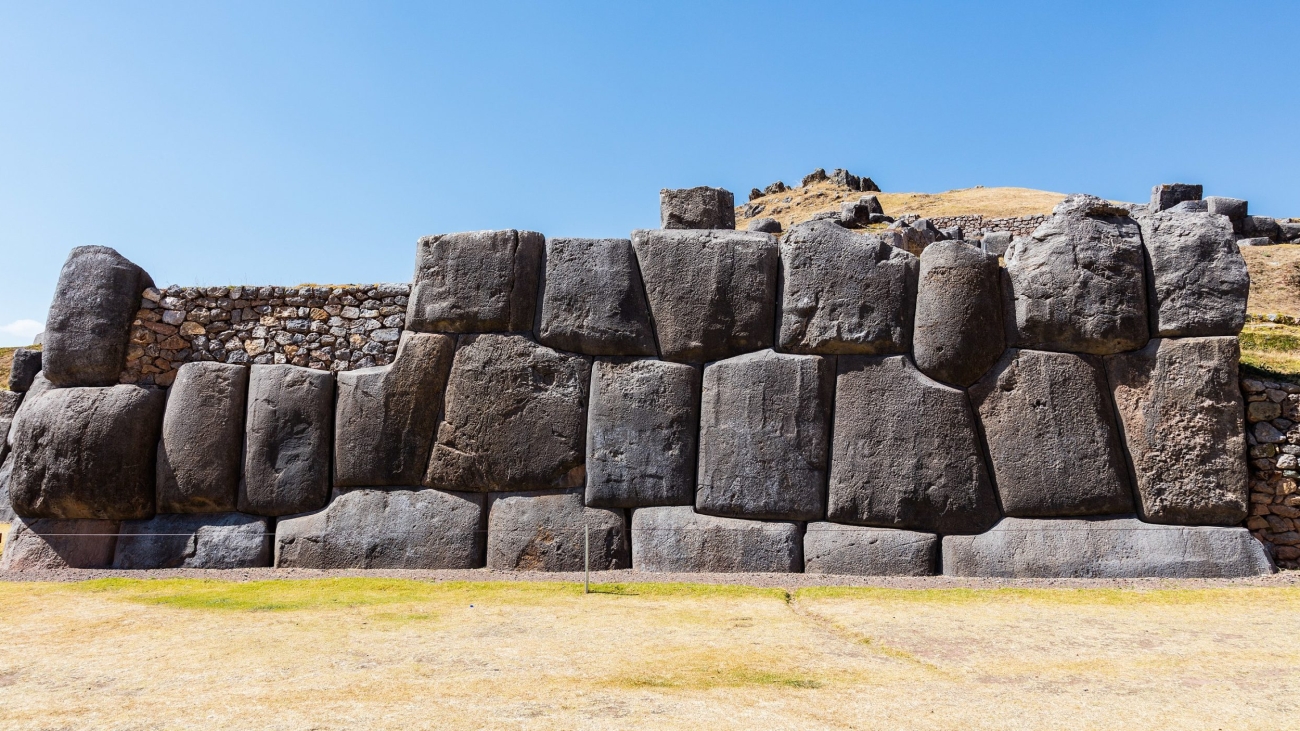

There are several reasons why many people prefer older architecture to modern designs:
Historical Significance: Older buildings often carry a sense of history and cultural significance. They tell stories of the past and reflect the societal values, materials, and craftsmanship of their time.
Aesthetic Appeal: Many find the intricate details, ornate carvings, and unique styles of older architecture more visually appealing than the often minimalist and utilitarian nature of modern designs.
Craftsmanship: Older buildings often showcase exceptional craftsmanship and materials, which can be scarce in modern construction. Handcrafted details and durable materials can evoke a sense of quality and longevity.
Character and Charm: Older architecture often possesses a character and charm that modern buildings may lack. The uniqueness of each structure, with its quirks and imperfections, can be more inviting and warm.
Connection to the Past: Many people feel a sense of connection to their roots when they see or inhabit older buildings, which can evoke feelings of nostalgia and comfort.
Sustainability: Some argue that older buildings, often constructed with more durable materials and traditional methods, can be more sustainable in the long run compared to modern constructions that rely heavily on industrial materials.
Community Identity: Older architecture can play a key role in defining the identity of a community. Preserving these structures helps maintain a sense of place and continuity in a rapidly changing world.
Ultimately, preferences for older architecture often stem from a combination of emotional, aesthetic, and cultural factors, making it a cherished aspect of many people’s lives.